Marking 160 years of medical education, Sun Yat-sen University (SYSU) held a conference on high-quality development of medicine in Guangzhou South Campus, on November 8. Prominent figures from home and abroad, faculty, and alumni gathered to celebrate the university’s achievements and chart a new course for the Health China initiative.
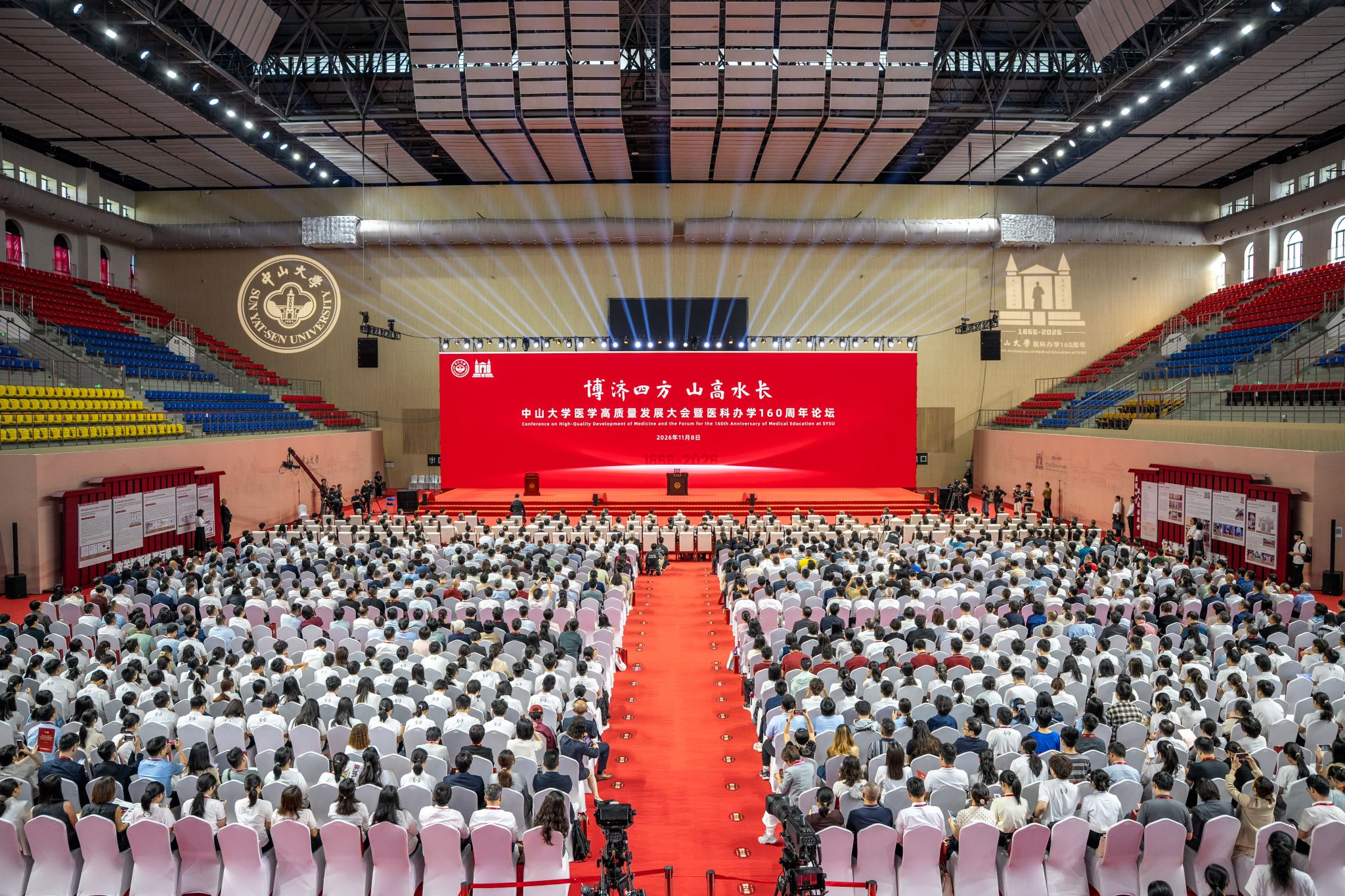
The conference in progress
Attendees included Huang Jiefu, Zhang Guozhi, Lin Huiqing, Gao Song, Zhu Kongjun, Zheng Zhongwei, Gu Jinhui, Elsie Ao Ieong U, Lo Chung-mau, Lo Iek Long, Huang Daren, and Zheng Detao, alongside special guests David G. Cogan (Chen Zhizhao), William Allen Thoet, and Elizabeth Anne Thoet.
Representatives from central and local governments, the Chinese Academy of Science (CAS), the Chinese Academy of Engineering (CAE), medical and research institutions, domestic and foreign universities, international organizations, donors, faculty and students attended the conference, with numerous messages of congratulations sent from home and abroad.
SYSU is the birthplace of modern Western medical education in China. A video themed “Pioneers” was broadcast during the conference. From the first classroom of the Canton Hospital in 1866 to today’s medical cluster across Guangzhou, Zhuhai, and Shenzhen, and from time-worn medical manuscripts to world-class research achievements, the enduring mission of generations of SYSU medical professionals—saving lives—shone brightly through university’s 160-year history.
Presided over by Liu Chenggong, the Secretary of CPC Committee of SYSU, the conference opened at 9 a.m., featuring a development report delivered by President Tang Hongwu.
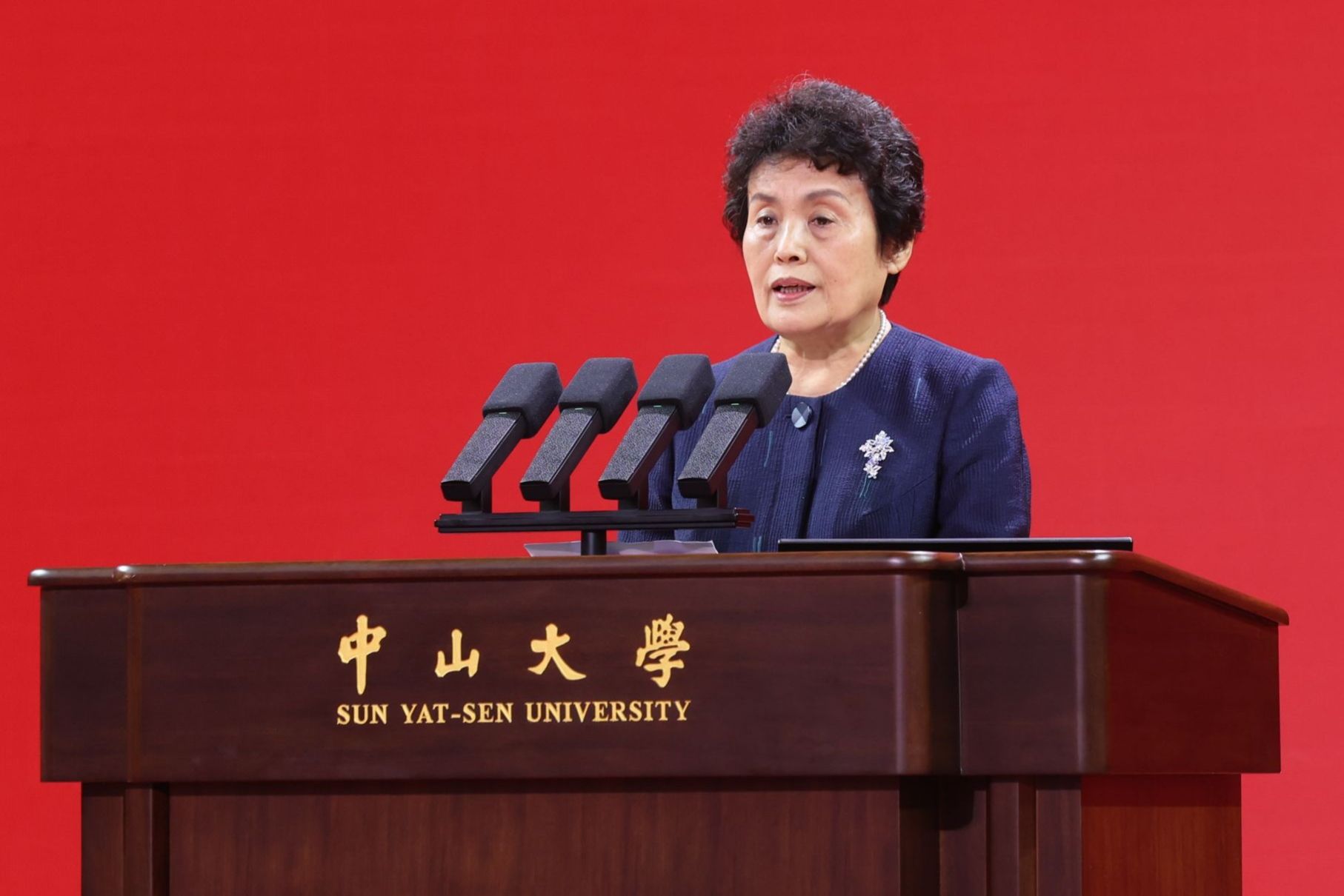
Lin Huiqing, Former Vice Minister of Education, President of the China Association of Higher Education, delivering her address
Lin Huiqing, former Vice Minister of Education and President of the China Association of Higher Education, congratulated SYSU on its top-tier educational strength and urged it to build a world-class medical innovation hub.
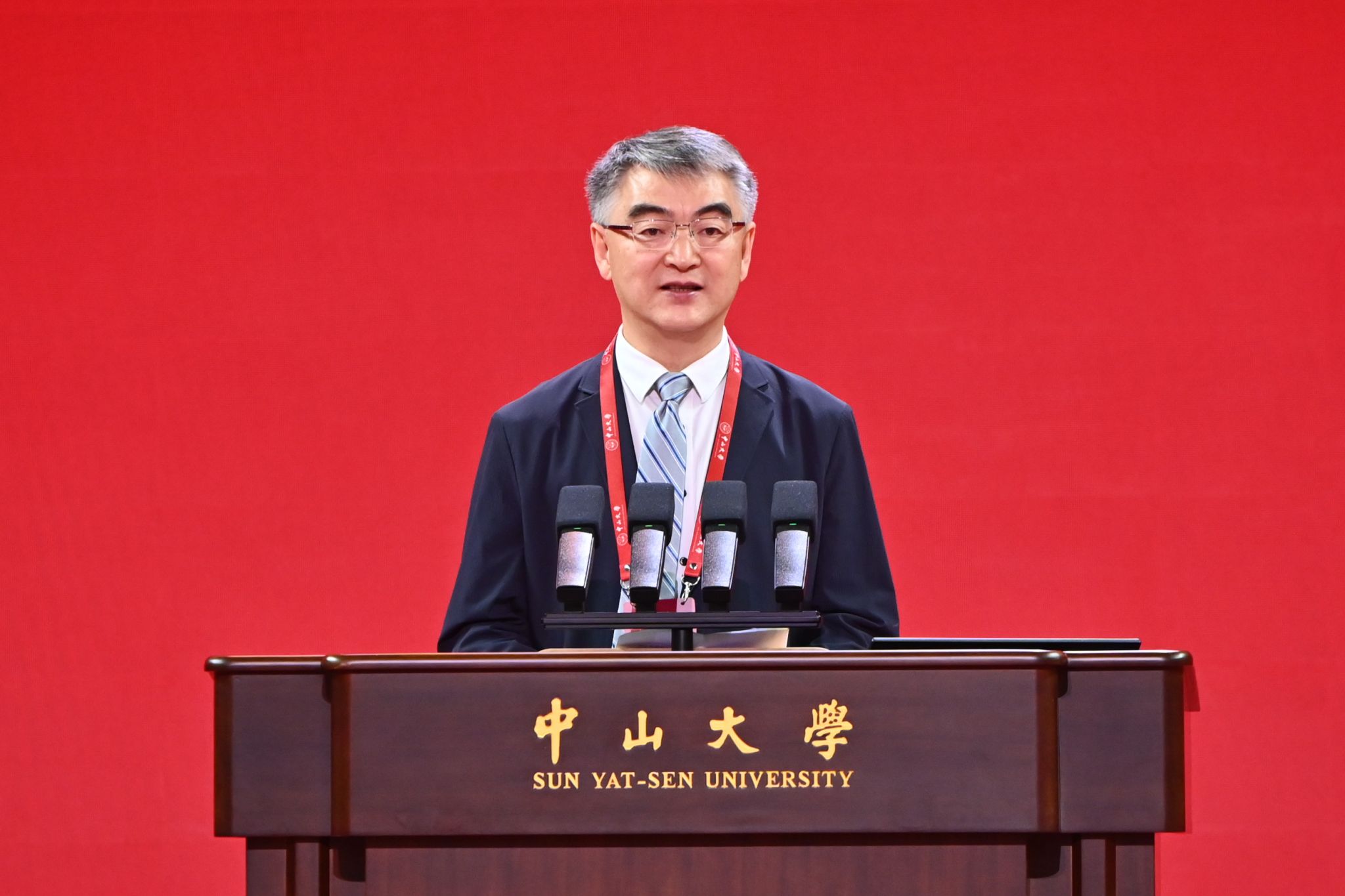
Zheng Zhongwei, Oversight Commissioner of the Department of Health Science, Technology and Education of the National Health Commission, delivering his address
Zheng Zhongwei, Oversight Commissioner of the National Health Commission, praised SYSU as a cradle of renowned doctors. He expressed hope that SYSU will thoroughly implement the guiding principles of General Secretary Xi Jinping’s important speech at the National Health Conference, and urged deeper integration of medicine, education, and research to support the Healthy China initiative.
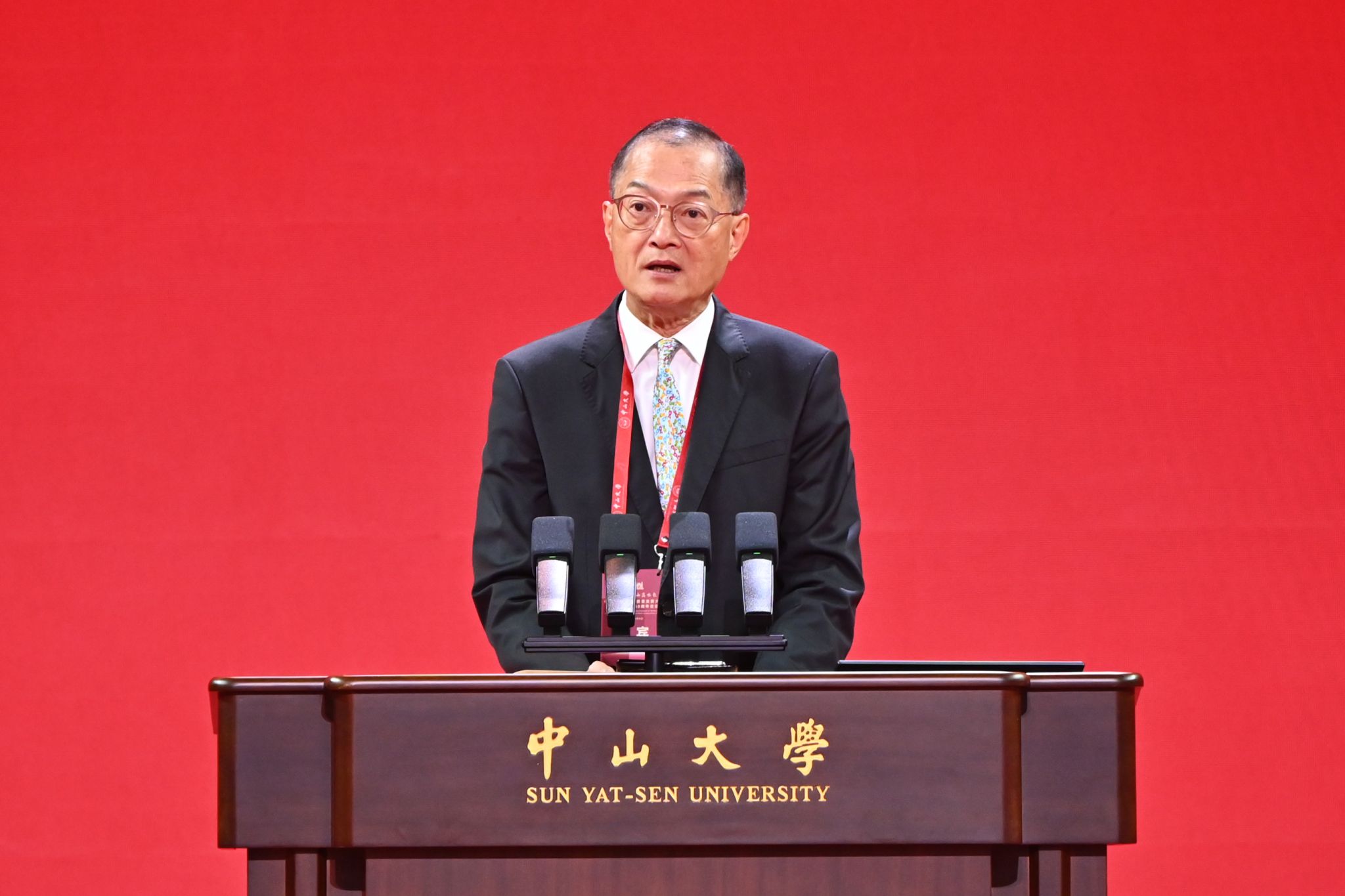
Lo Chung-mau, Secretary of Health of the HKSAR Government
Lo Chung-mau, Secretary of Health of the HKSAR Government, highlighted that Dr. Sun once studied at the predecessors of both SYSU’s medical programs and the University of Hong Kong’s LKS Faculty of Medicine, a shared legacy binding Guangdong and Hong Kong. As Hong Kong deepens healthcare reforms to build a global medical innovation hub, he looked forward to further cooperation with SYSU to drive progress towards a healthier Greater Bay Area.
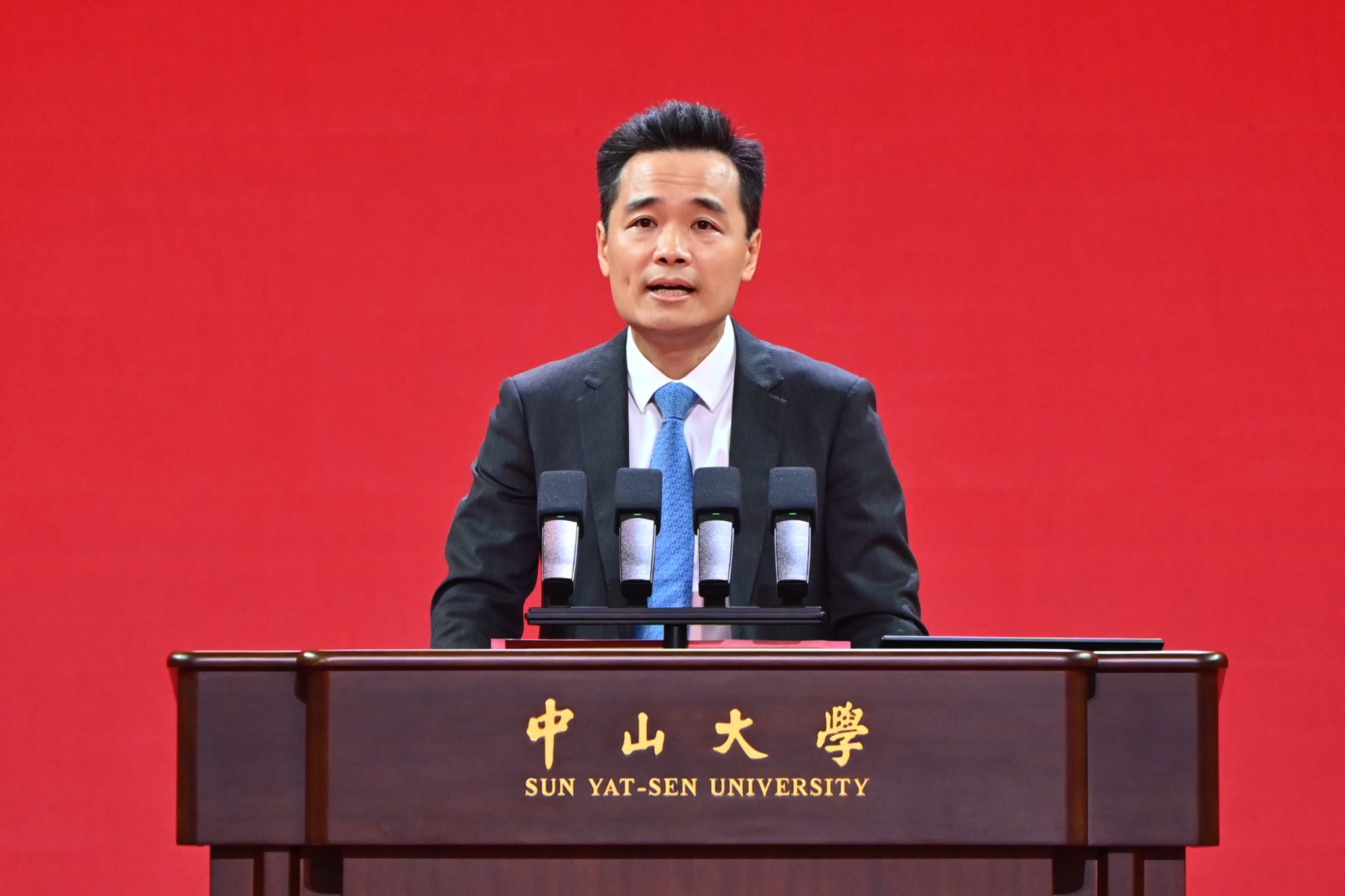
Lo lek Long, Director of Health Bureau of the Macao SAR
Lo Iek Long noted that SYSU’s medical programs share a profound and enduring bond with Macao. He highlighted that Dr. Ke Lin, former president of SYSU’s medical sciences and a medical educator, served voluntarily at Macao Kiang Wu Hospital for many years, benefiting local residents and leaving a precious spiritual legacy for Guangdong-Macao exchanges. As Macao advances the Healthy Macao Blueprint, he expressed hope for further cooperation with SYSU to write a new chapter in medical education and clinical services.
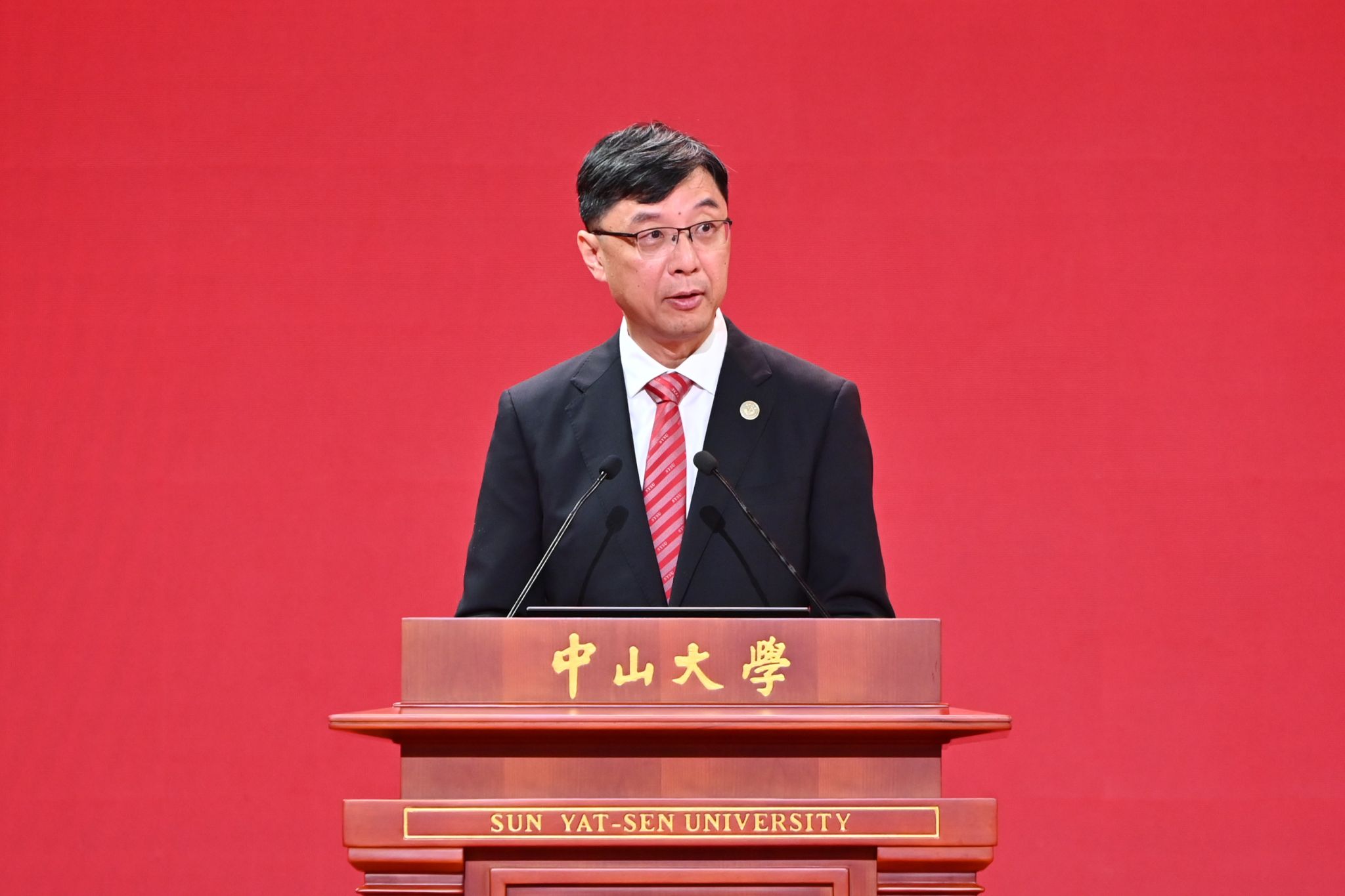
Liu Chenggong, Secretary of the CPC Committee of SYSU, presiding over the Conference
Liu Chenggong warmly welcomed the attendees and expressed heartfelt gratitude to alumni, faculty, and friends from all sectors for their long-standing support. He emphasized that the conference is a practical action to implement the guiding principles of General Secretary Xi Jinping’s congratulatory letter for the university’s centenary, pledging unremitting efforts to build world-class medical disciplines and advance the Healthy China initiative.
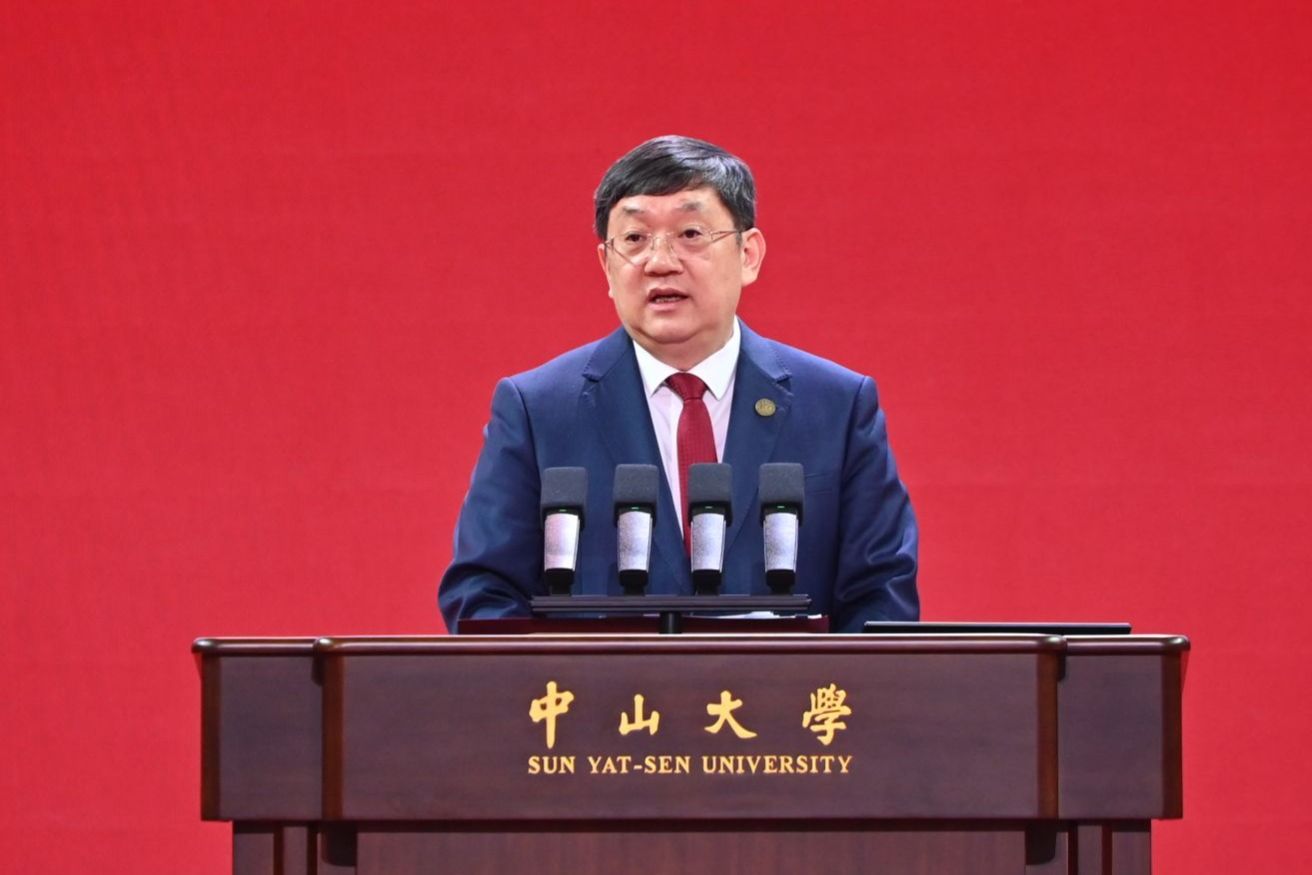
Tang Hongwu, President of SYSU, delivering Development Report on the 160th Anniversary of SYSU Medical Education
Tang Hongwu delivered a development report reviewing the 160-year history of SYSU’s medical education, its milestone achievements across various fields, and its role in building a world-class university. Moving forward, SYSU aims to build a world-class international medical center by deepening educational reforms, advancing interdisciplinary innovation, expanding global cooperation, advancing the Healthy China initiative, and building a leading country in education, thereby contributing greater strength to Chinese paths to modernization.
Other celebratory speeches were delivered by Qiao Jie, CAE Academician and Director of the Peking University Health Science Center, and Ji Xunming, CAE Academician, President of the Chinese Academy of Medical Sciences and Peking Union Medical College.
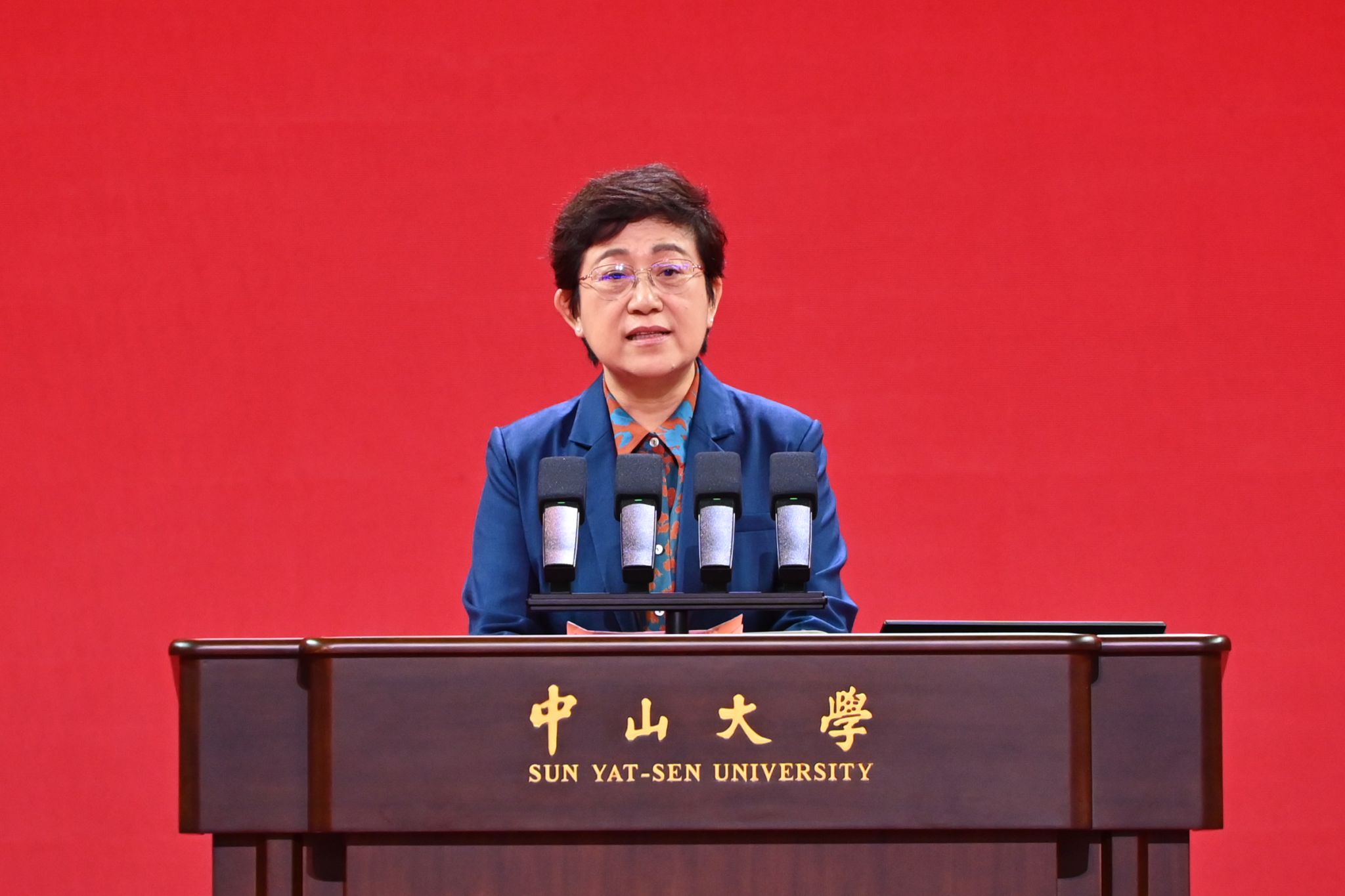
Qiao Jie, CAE Academician and Director of the Peking University Health Science Center, delivering her address
Qiao Jie emphasized the shared mission of Peking University and SYSU in leading China's medical education and healthcare development.
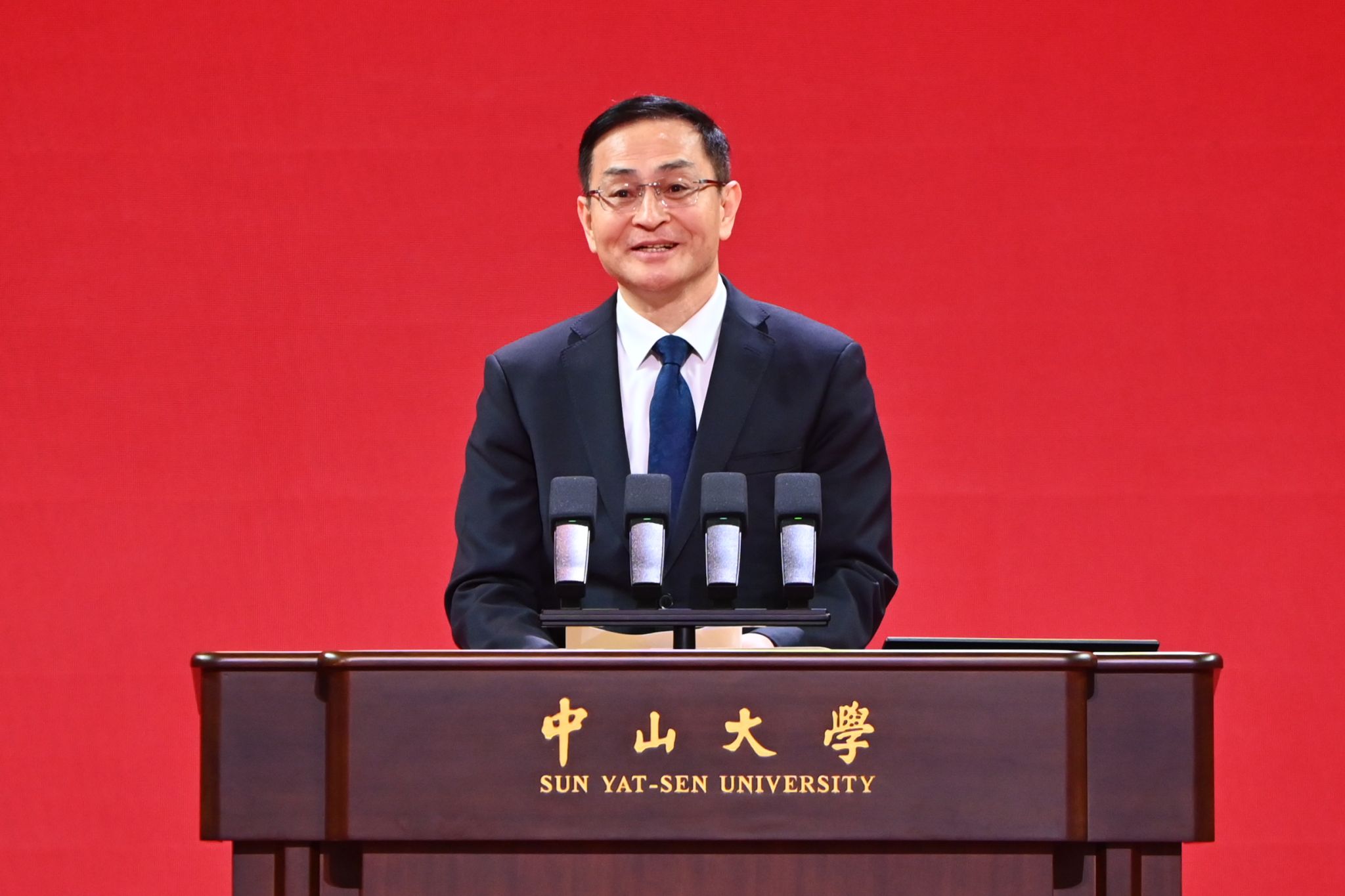
Ji Xunming, CAE Academician, President of the Chinese Academy of Medical Sciences and Peking Union Medical College, delivering his address
Ji Xunming noted Peking Union Medical College’s commitment to deepening cooperation with SYSU for medical innovations.
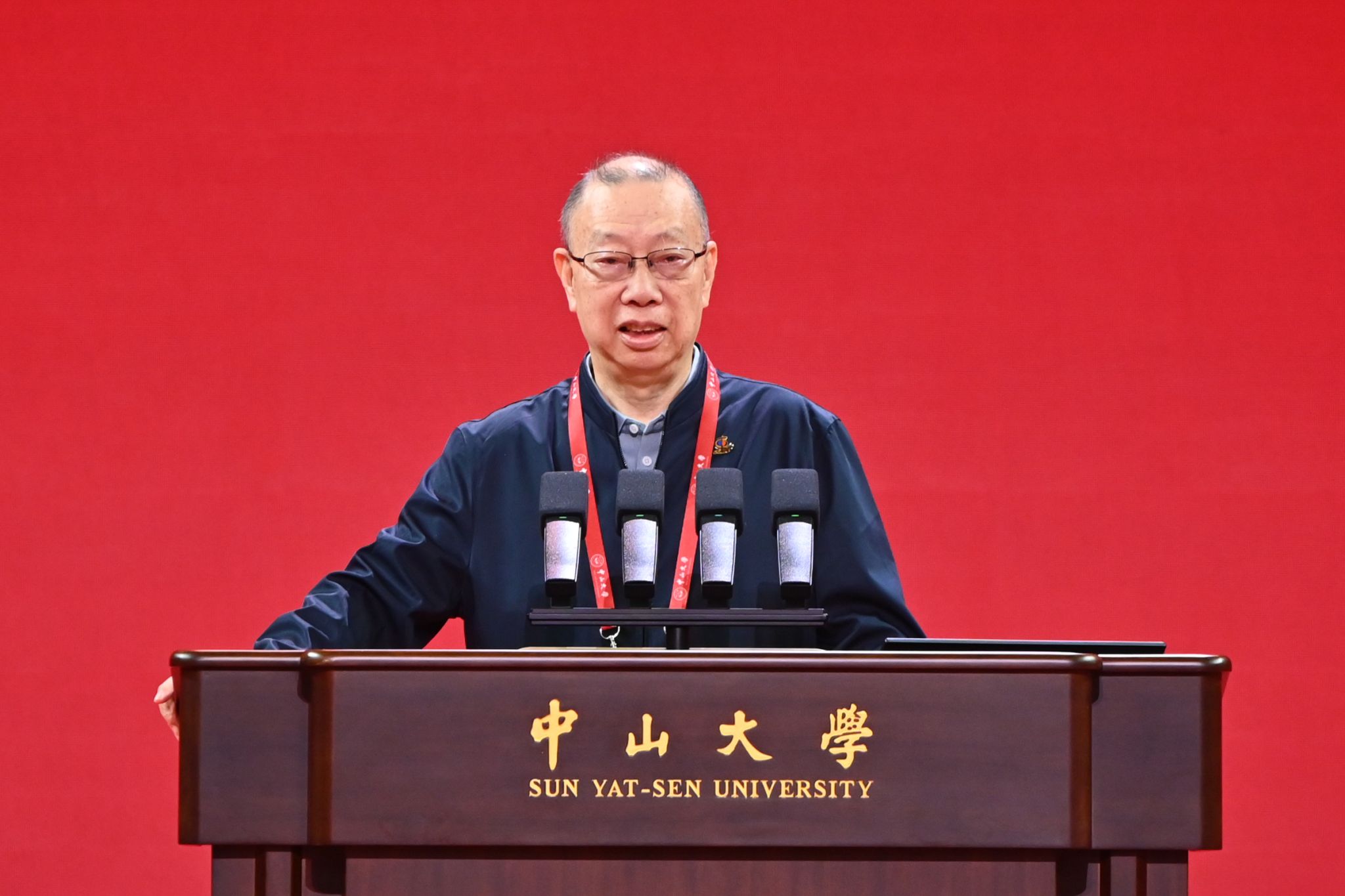
Huang Jiefu, Chairman of China Organ Donation Administrative Commission, former President of the Sun Yat-sen University of Medical Sciences, former Vice Minister of Health, former Vice Director of the Central Healthcare Commission (minister-level), first President of the Institute for Hospital Management of Tsinghua University, delivering his address
Speaking on behalf of the alumni, Huang Jiefu fondly recalled his time studying and working at SYSU’s medical programs, recounting the history of China’s organ transplantation system—growing from scratch to a global leader. He encouraged the new generation of SYSU medical professionals to work together and carry forward fine traditions. He also emphasized putting people and lives first, urging them to cultivate a strong humanistic spirit while mastering exceptional medical skills. Furthermore, he called on them to uphold fundamental principles and break new ground, enhance medical services to benefit the broader public, and advance open and internationalized education through closer cooperation with Hong Kong, Macao, and Taiwan, thereby making greater contributions to the Healthy China initiative and public well-being.
A special tribute segment was held to honor 16 veteran representatives and pioneers who contributed immensely to SYSU’s medical development. Amidst warm applause from the audience, medical student representatives presented them with flowers on stage to pay their highest respects.
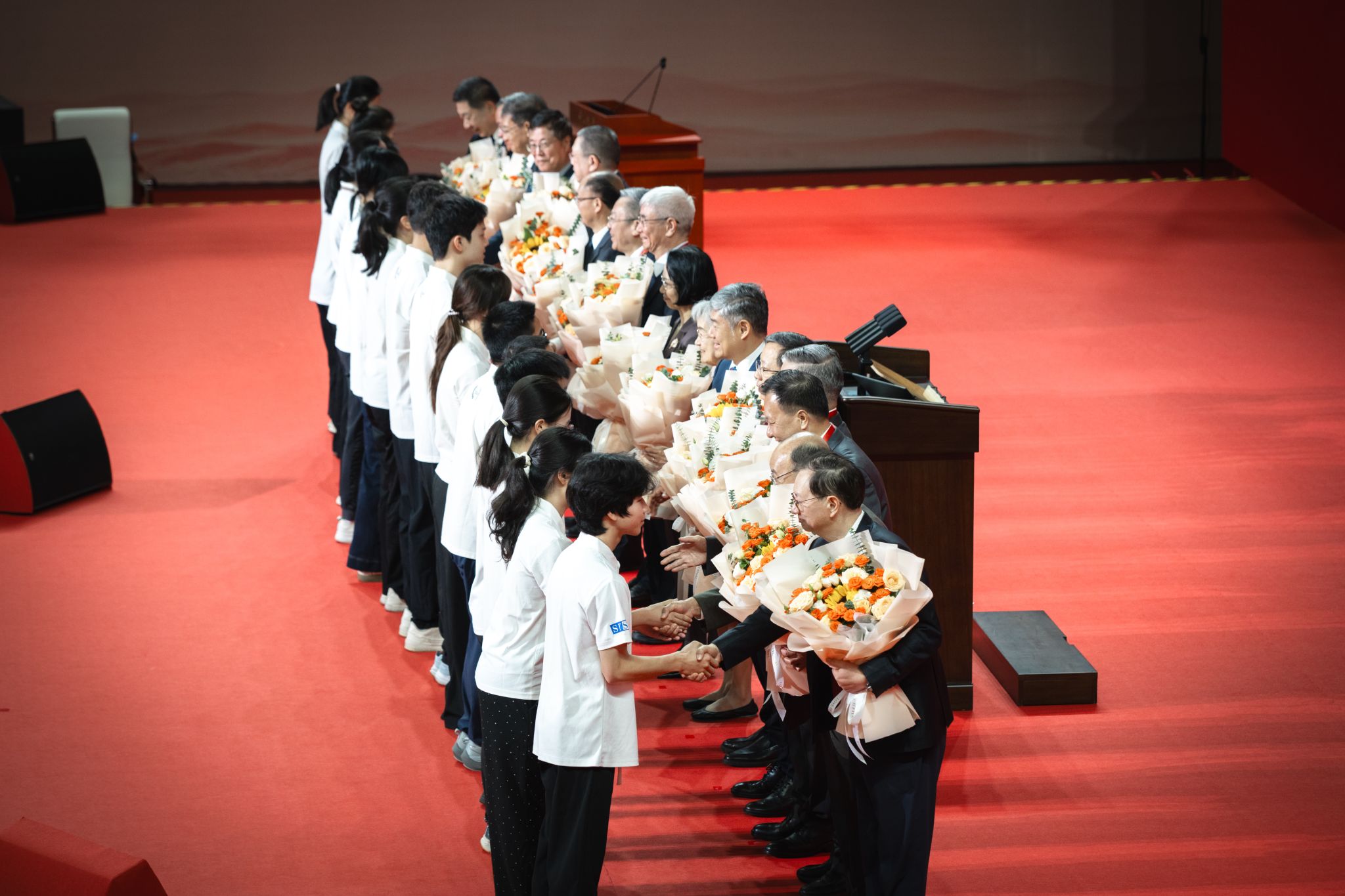
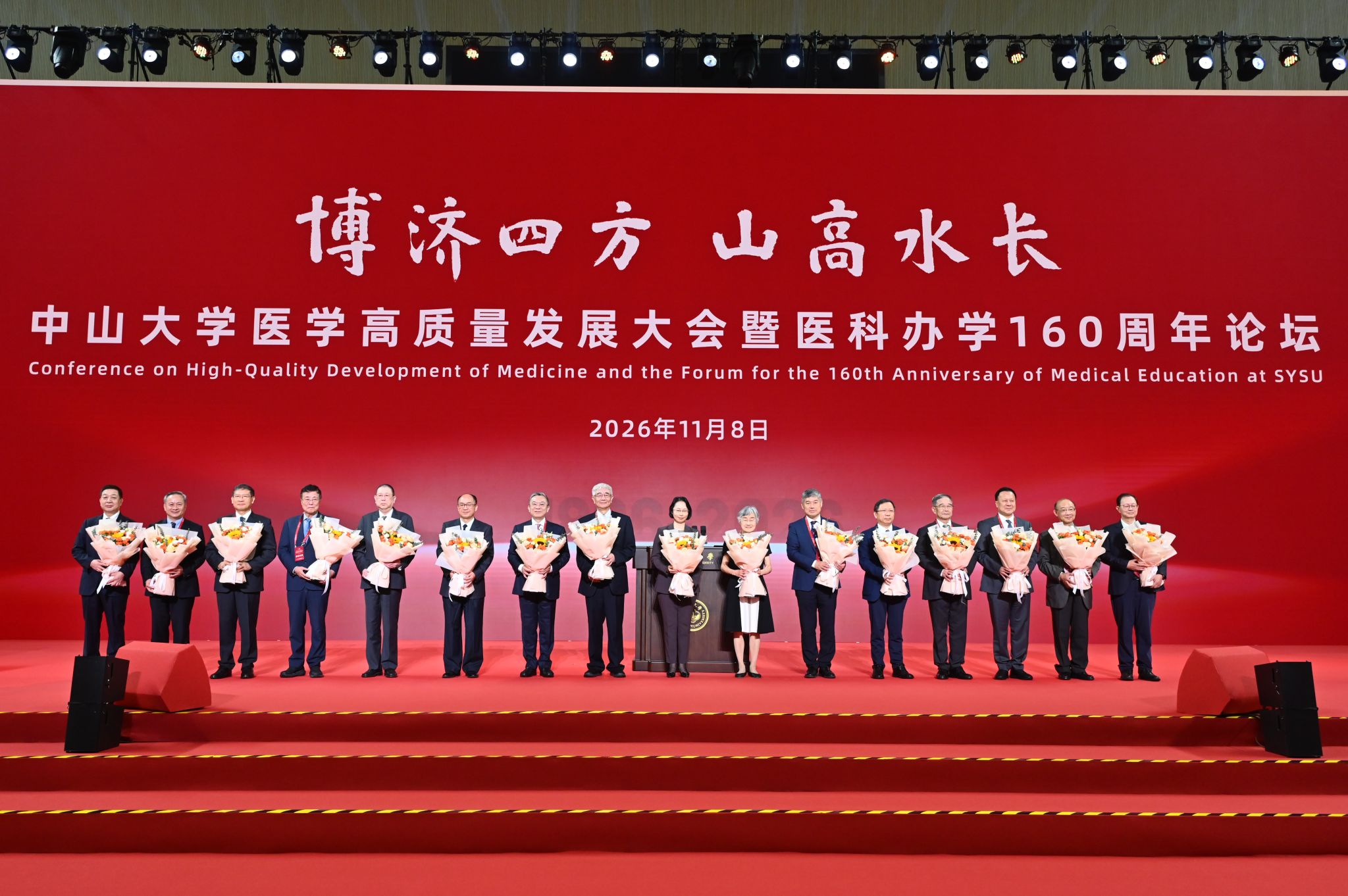
Tribute to veteran representatives and pioneers

Secretary Liu Chenggong, alumnus Huang Jiefu, and President Tang Hongwu.
The Conference on High-Quality Development of Medicine came to a successful close amidst the singing of the SYSU anthem.
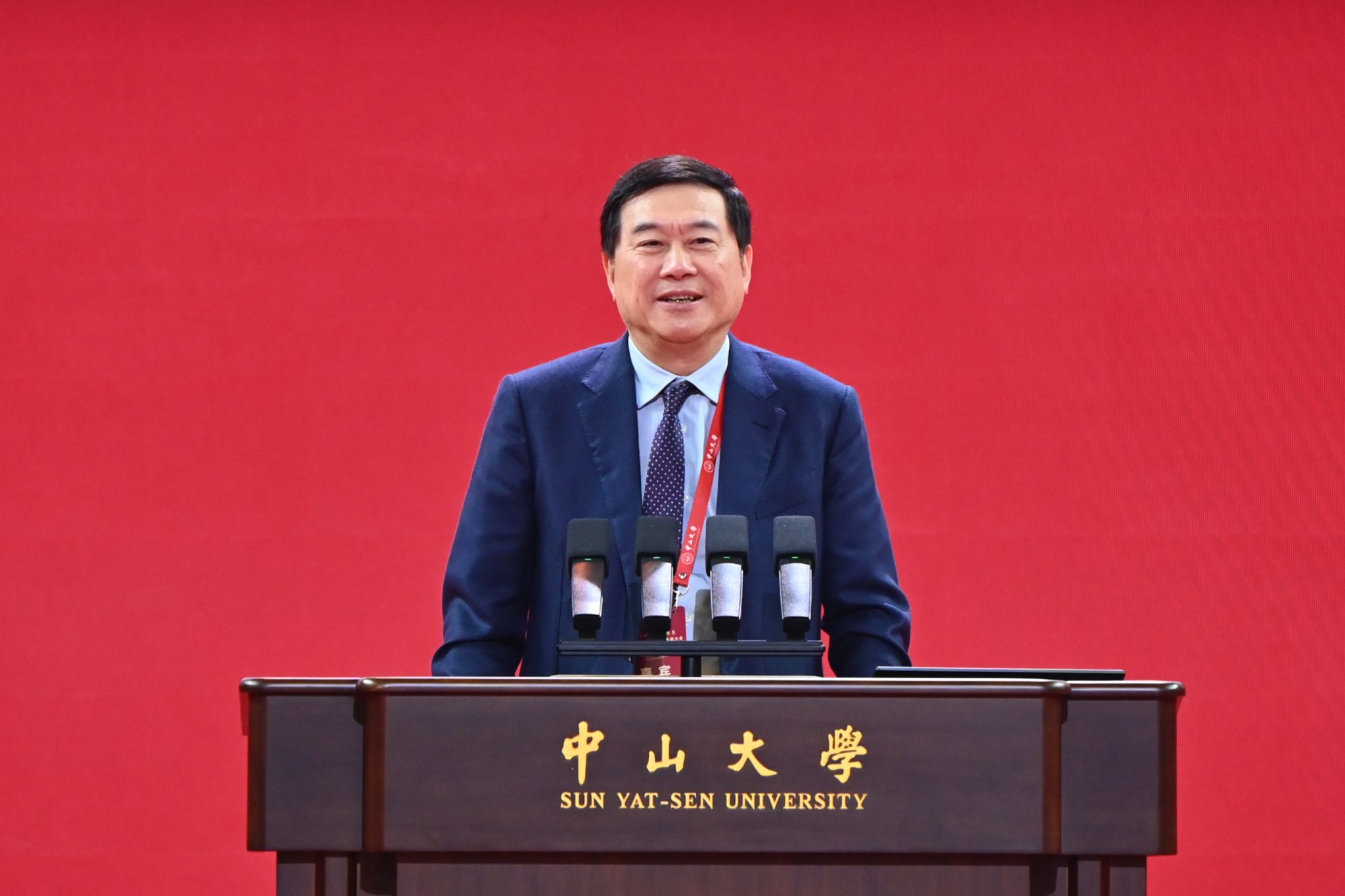
Dong Jiahong, CAE Academician and Chair Professor of Tsinghua University, delivering a keynote speech
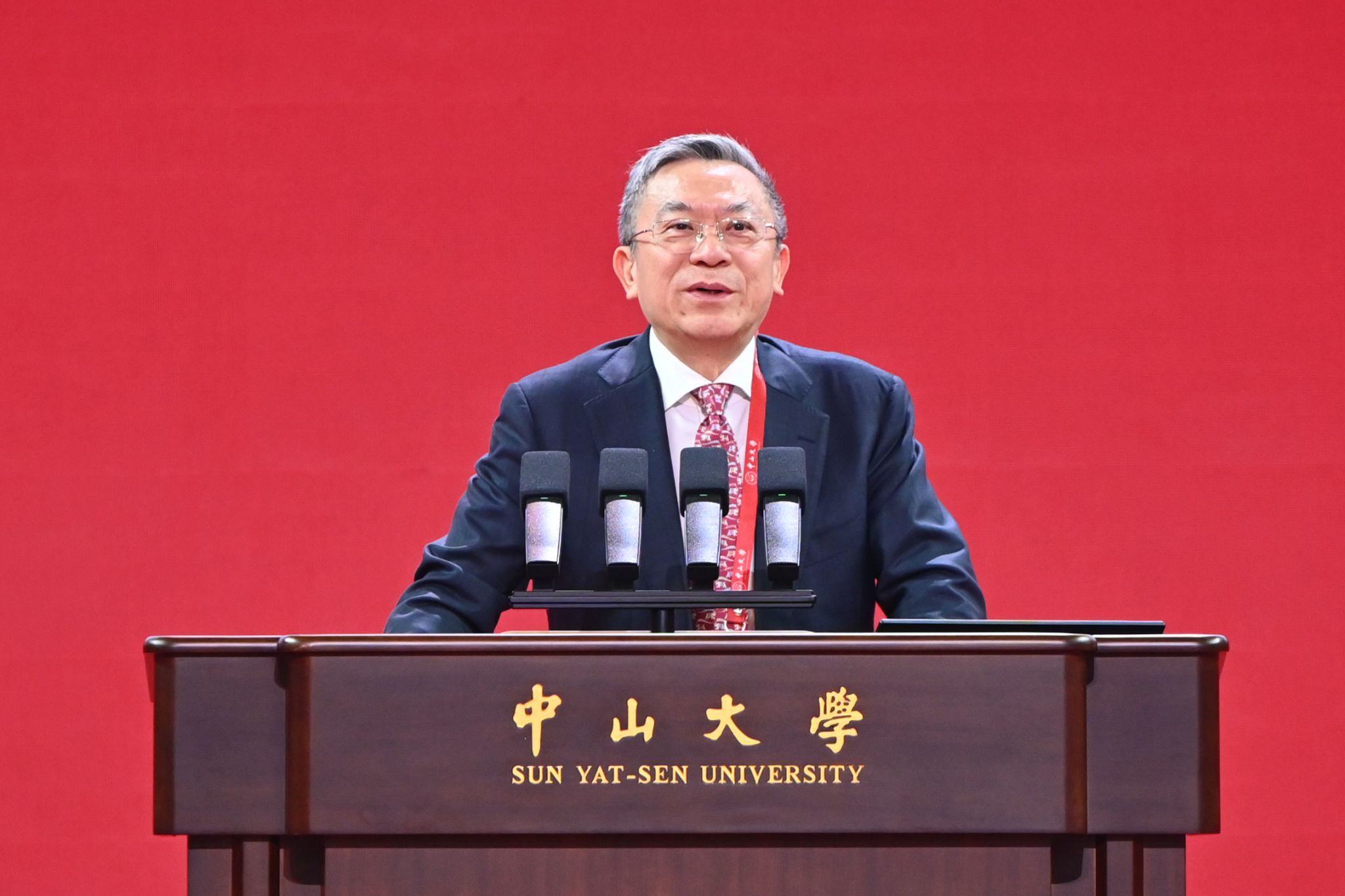
Huang Xiaojun, CAE Academician and Director of the Peking University’s Institute of Hematology, delivering a keynote speech
Hosted by Lin Tianxin, Vice President of SYSU, the main forum featured keynote speeches by Dong Jiahong and Huang Xiaojun, followed by parallel sub-forums on education, innovation, and management.
Exhibitions on medical assistance and sci-tech innovations were held alongside the conference. They vividly showcased SYSU’s continuous achievements in expanding high-quality medical resources to grassroots levels and advancing international health cooperation, actively responding to national needs and public expectations.
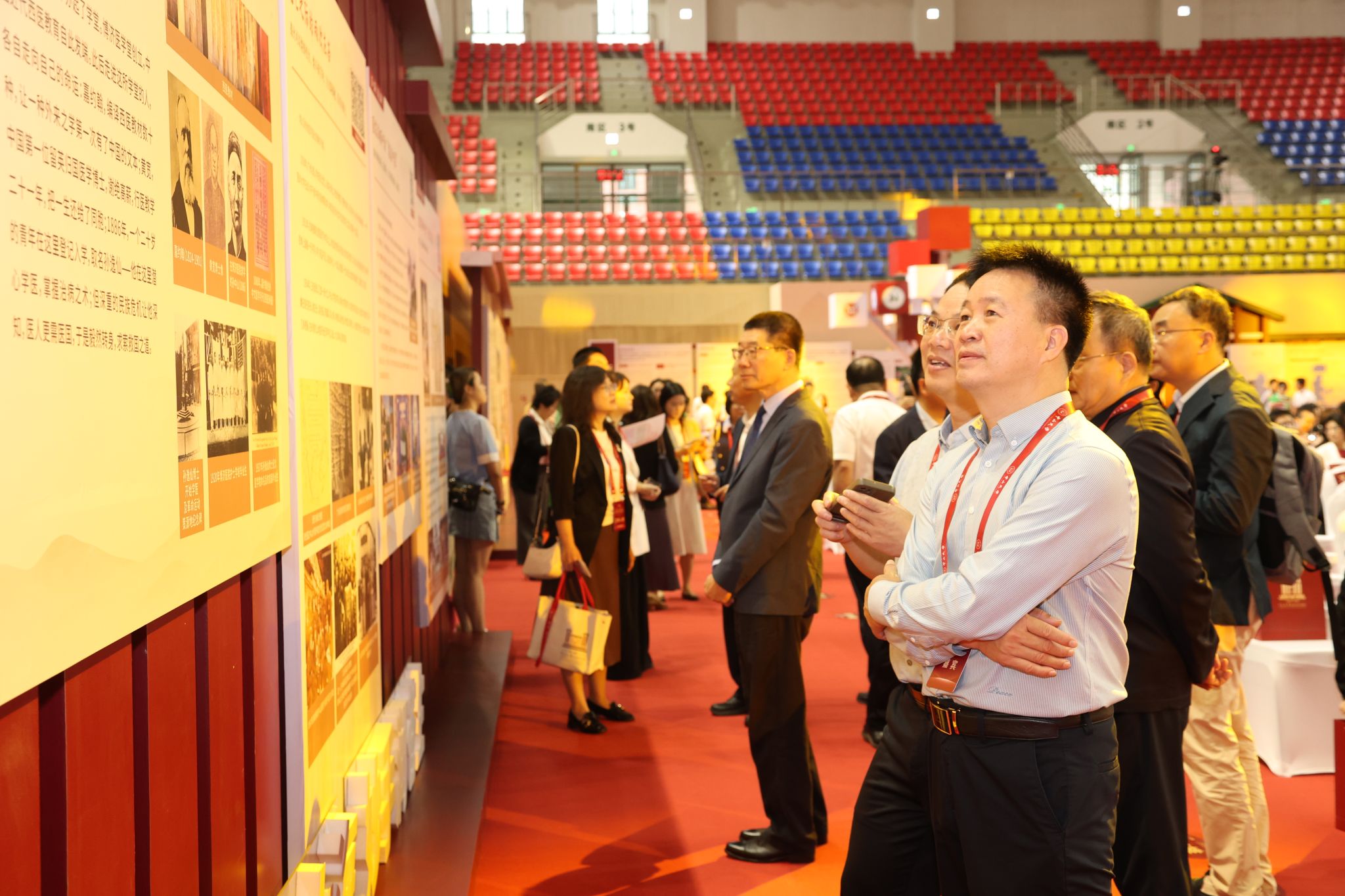
Attendees viewing the exhibitions
Standing at a new starting point, SYSU medical programs will strive to rank among the world’s leading medical institutions and contribute further to advancing the Healthy China initiative and building a global community of health for all.




 COPYRIGHT©1999-2017 , SUN YAT-SEN UNIVERSITY